
Today, a similar mechanism is unfolding in Punjab and across India regarding the Sikh community. Sikhi—a faith built fundamentally on freedom, universal human dignity, and active resistance to oppression—is facing a dual-layered attempt to restrict its sovereign identity.
The First Wire: State-Backed Violence & Delayed Justice
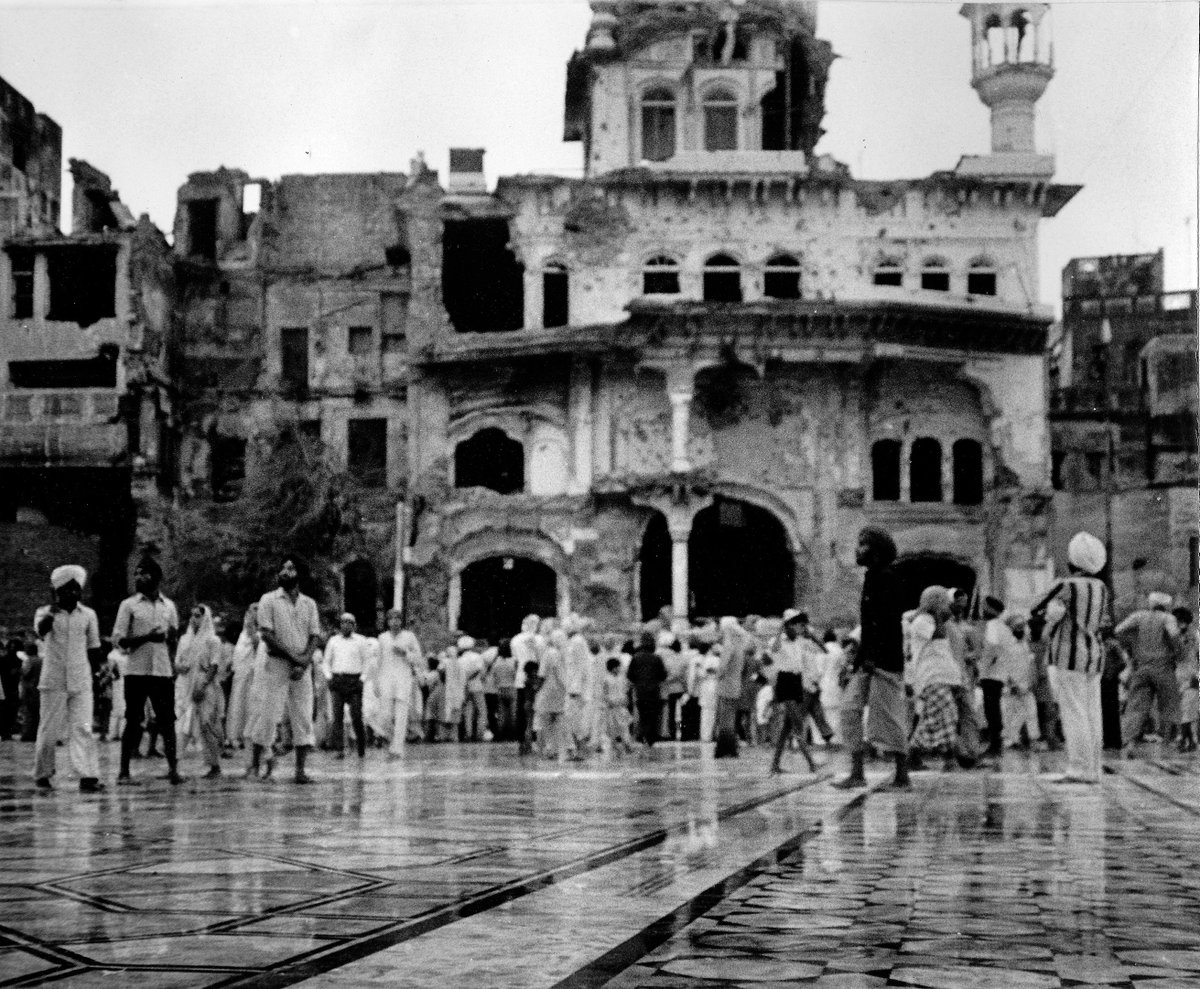
The visible bars of this cage consist of physical repression. For decades, the Sikh community in Punjab experienced heavy-handed policing, extrajudicial killings, and forced disappearances—often framed as security measures.
While some argue these issues belong to the past, recent judicial outcomes tell a different story. In 2025, CBI special courts handed down long-overdue convictions to retired police officers for abducting and murdering Sikh youth in fake encounters during the 1990s. While these rulings validate decades of community grievances, justice delayed by 30 years—often delivered after key witnesses or perpetrators have passed away—highlights systemic failures. Furthermore, the persistent rise of recent police encounter deaths suggests that the patterns of state coercion have not entirely disappeared.
The Second Wire: Historical Revisionism and Cultural Assimilation
The second wire is quieter, subtle, and fundamentally ideological. It operates through a deliberate push to absorb Sikhism into a broader narrative of Hindu nationalism and modern state patriotism.
Political rhetoric frequently frames the martyrdom of Sikh Gurus as sacrifices made solely to protect Sanatan Dharma(Hinduism) or a modern Indian nation-state. This narrative distorts historical realities:
- Theological Independence: Core Sikh scriptures, including passages within the Guru Granth Sahib Ji, explicitly reject Vedic rituals, idol worship, and caste hierarchies, asserting an independent theological foundation.
- Universalism vs. Nationalism: The Sikh Gurus operated centuries before the concept of a modern nation-state existed, traveling tens of thousands of kilometers across diverse regions to preach universal human equality, not state-centric patriotism.
This effort to reshape Sikh history extends into educational institutions. Recent attempts by academic leaders to align Sikh study chairs with Vedic scriptures under the influence of socio-political organizations like the RSS represent a direct effort to rewrite theological boundaries through institutional channels.
Conclusion
Oppression rarely relies on a single mechanism. By pairing historic physical repression with modern ideological assimilation, the distinct identity and sovereign ethos of Sikhi are placed under structured pressure. Recognizing the full structure of the cage is the first step toward preserving the core tenets of freedom and truth upon which the faith was built.